
面向工业制造的机器人铆接解决方案
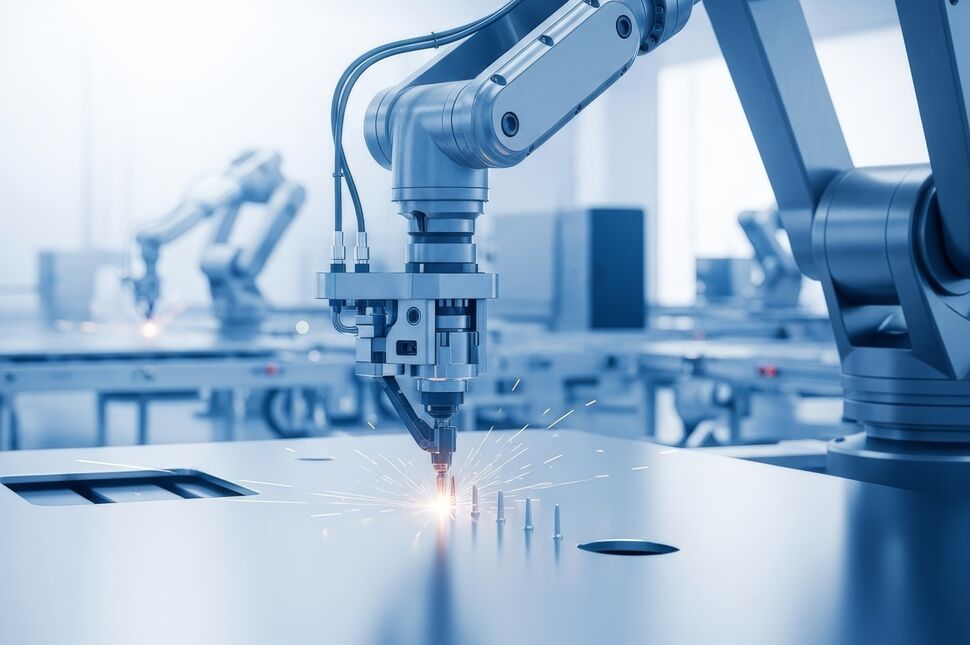
机器人铆接是一种机械紧固工艺,通过使铆钉变形来永久连接材料,从而形成结构性连接。在自动化生产环境中,机器人铆接可确保稳定的紧固质量、高重复精度并缩短生产节拍。
该工艺广泛应用于汽车车身制造、航空航天装配、家电生产以及需要可靠机械连接的轻量化结构应用。
铆接工具会产生显著的反作用力,因此需要精确定位、稳定的供料系统以及受控的电缆布线。长期的系统稳定性对于保持连接完整性和生产正常运行时间至关重要。
凭借数十年全球机器人能源与介质管理经验,BizLink 为制造商提供专为高作用力铆接应用优化的工程化电缆、机器人管线包和供料解决方案。
什么是机器人铆接?
铆接是一种连接工艺,在该工艺中,铆钉被插入对齐的孔中,或被定位在重叠材料之间,然后通过机械变形形成永久连接。
在机器人系统中,铆接工具安装在机器人手臂上。机器人将工具定位到预定义的紧固点,施加受控力,并验证连接成形情况。
机器人铆接可实现:
- 高定位精度
- 受控的力施加
- 集成式过程监控
- 可重复的结构性能
机器人铆接工艺的工作原理
该工艺通常包括:
- 部件的定位和对齐
- 铆钉的供给和放置
- 施加规定的铆接力
- 使铆钉变形以形成机械锁合
- 验证安装是否正确
即使是很小的位置偏差,也可能影响铆钉变形和连接的结构强度。
连接质量取决于:
- 精确的工具对准
- 受控的力施加
- 稳定的部件定位
- 可靠的供料系统
机器人应用中使用的铆接类型
实心铆接
实心铆钉被插入预钻孔中,然后通过变形形成牢固的结构性连接。该方法广泛应用于航空航天以及重型结构应用。
抽芯铆接
抽芯铆钉可从组件的一侧进行安装,常用于背面操作空间受限的场合。它们广泛应用于家电和钣金制造。
自冲铆接(SPR)
自冲铆接不需要预钻孔。铆钉穿透上层材料,并在下层材料中形成机械锁合。SPR 广泛应用于汽车轻量化结构和混合材料连接。
每种铆接类型都会影响工具力要求、供料系统以及机器人集成策略。
机器人集成中的铆接系统技术
在自动化生产中,铆接系统由铆接工具、供料机构、力控制系统和监控技术组成。
了解这些系统组件对于确保可靠的机器人运行至关重要。
液压铆接系统与伺服铆接系统
液压系统具有较高的作用力能力,通常用于需要较大成形力的结构性应用。
伺服驱动铆接系统可实现可编程的力曲线、更高的控制精度和集成式监控。它们能够在自动化生产线上实现更好的可追溯性和质量验证。
力控制和过程监控
现代机器人铆接系统会在每个循环中监控力和位移。
通过分析力-位移曲线,可以检测:
- 铆钉成形不完整
- 材料厚度变化
- 未对准
- 工具磨损
稳定的信号传输和机械定位对于精确监控至关重要。
铆钉供料系统
自动化铆接需要可靠的供料系统,将铆钉输送到铆接工具。
供料系统可采用气动吹送机构或机械传送系统。软管耐用性、耐磨性和尺寸稳定性对于防止供料中断至关重要。
反作用力和机器人稳定性
铆接过程中,在铆钉变形时会产生显著的反作用力。
这些力会在以下部件中引入扭转和机械应力:
- 机器人手臂
- 电缆系统
- 机器人管线包
- 供料软管
结构化布线和机械稳定措施可保护系统组件,并提高长期耐用性。
机器人铆接中的关键质量因素
TCP 精度和工具对准
精确的对准可确保铆钉正确放置并实现一致的变形。TCP 偏差可能导致铆钉偏心或结构强度降低。
受控力施加
铆接力不足或过大都可能影响连接质量。可编程力控制可提高重复精度。
稳定的供料基础设施
不稳定或磨损的供料软管可能会中断生产并导致供料错误。耐磨聚氨酯软管可提高长期可靠性。
机械和电缆稳定性
不受控的电缆运动可能会影响定位精度并加速磨损。优化的机器人管线包系统可在动态运动中稳定线缆布线。
机器人铆接的工业应用
汽车制造
机器人铆接广泛应用于白车身生产、轻量化铝结构以及混合材料结构。
航空航天装配
结构性机身部件依赖高强度铆接连接,这些连接需要高精度和高重复性。
家电和钣金制造
抽芯铆接和机械铆接用于外壳装配和结构加固。
电动出行和电池系统
铆接支持结构性电池外壳和轻量化车辆部件的制造。
BizLink 机器人铆接应用解决方案
高耐久性机器人电缆
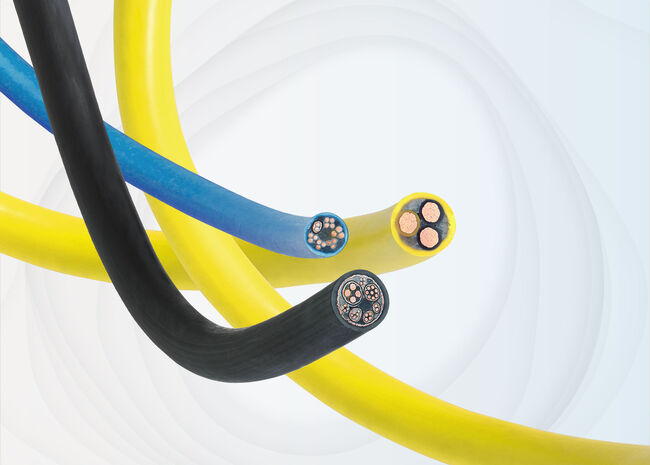
机器人铆接工具在铆钉变形过程中会产生显著的反作用力,尤其是在自冲铆接(SPR)和结构性应用中。BizLink 电缆专为在高机械负载下承受持续扭转和弯曲而设计,可确保稳定的电力供应以及用于力监控系统的可靠信号传输。
优化的导体设计和坚固的绝缘材料可减少由重复的高作用力铆接循环和动态机器人运动引起的疲劳。
工程化机器人管线包系统
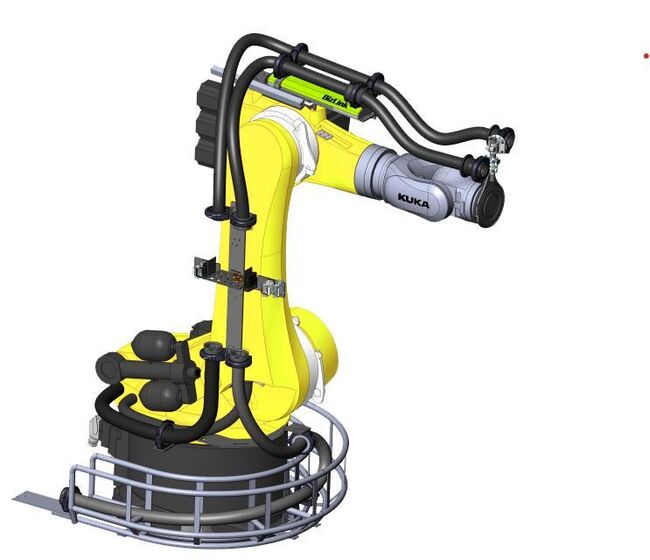
在铆钉设置过程中,反作用力会将扭转载荷引入机器人手臂及其连接的布线系统。不受控的电缆运动可能会影响工具定位并加速磨损。
优化的机器人管线包解决方案可稳定电缆和软管的运动,保持规定的弯曲半径,并减少机械应力。受控的线缆布线有助于实现一致的铆钉定位,并在高循环生产中确保长期可靠的结构紧固性能。
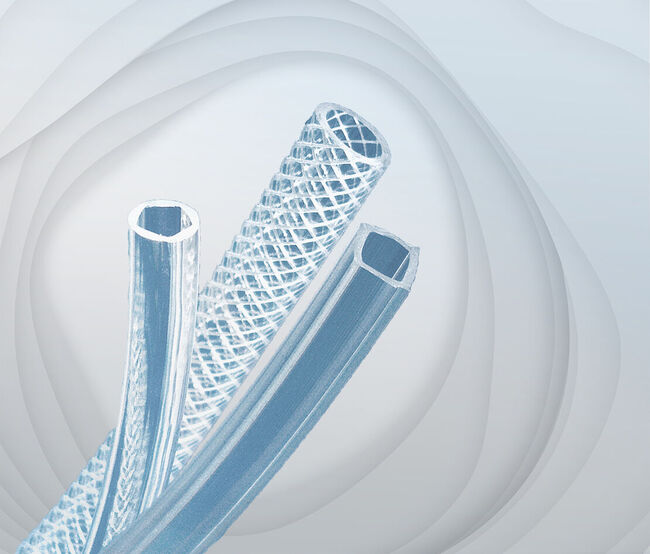
BizLink Tube Profile-Line – 铆接系统供料软管
针对气动铆钉输送系统,BizLink Tube Profile-Line 提供耐磨聚氨酯软管,专为高循环供料应用而设计。
可定制的型材和压力特性,加上较低的振动倾向,可在要求严苛的汽车和航空航天生产环境中确保可靠、连续的铆钉供料。
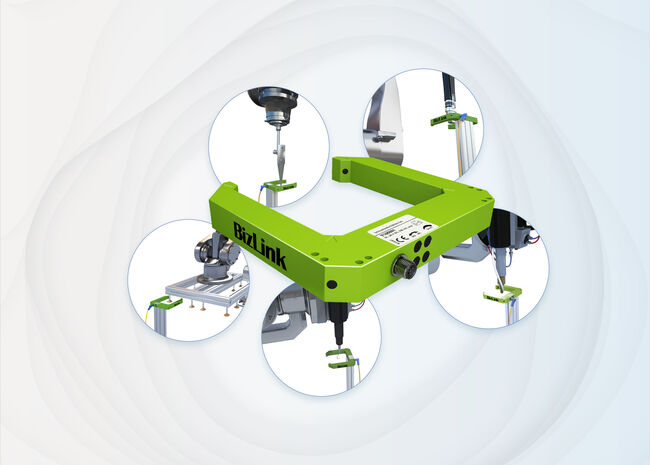
BizLink advintec TCP工具测量
精确的铆钉定位对于确保铆钉正确变形、可靠形成机械锁合以及保持铆接连接的结构完整性至关重要。BizLink advintec TCP 可直接在生产环境中对机器人工具中心点(TCP)进行自动化、高精度验证。
该系统不受具体应用限制,主要取决于机器人工具的几何形状。旋转对称的机器人工具尤其易于校准。即使是复杂工具或只能间接测量的工具,也可以借助辅助销或定义的参考部件进行基准定位。
通过在机器人程序中直接补偿测得的偏差,BizLink advintec TCP 有助于实现一致、精确的铆钉对准,最大限度减少位置漂移,并提高高循环结构应用中的紧固可靠性。
careDP – AI 驱动的状态监测
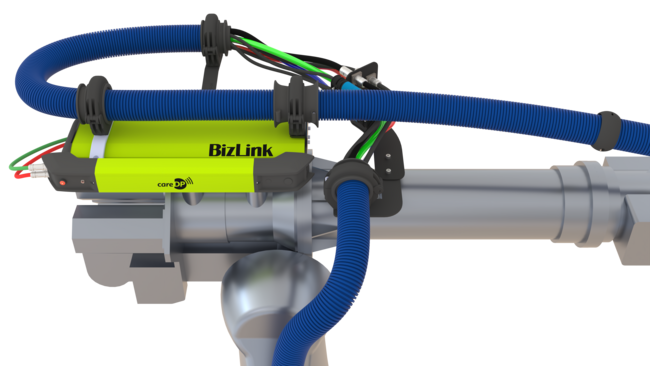
在机器人铆接中,重复的高作用力循环和机械冲击会对电缆、软管和布线系统造成持续应力。careDP 可监测机器人管线包的运行状态,并及早检测异常应力模式或磨损发展的迹象。
预测性洞察可实现主动维护规划,并有助于防止可能中断结构紧固作业的意外故障。
通过结合耐用电缆系统、优化的供料软管、稳定的线缆布线和智能监测,BizLink 提高了自动化铆接系统中的铆钉定位精度、供料可靠性和整体设备效率
CAREDP
铆接常见问题解答
机器人铆接中最常见的故障问题有哪些?
常见问题包括铆钉成形不完整、未对准、供料中断以及工具磨损。机械不稳定或 TCP 偏差可能会影响铆钉定位和连接强度。
自冲铆接与传统铆接有何不同?
自冲铆接不需要预钻孔。铆钉穿透上层材料,并在下层材料中形成机械锁合,因此适用于混合材料连接和轻量化结构应用。
反作用力如何影响机器人铆接系统?
铆钉设置过程中会对机器人和机器人管线包产生显著的机械应力。受控的线缆布线和稳定措施可减少扭转载荷,并延长系统使用寿命。
为什么力-位移监控在铆接中很重要?
监控力-位移曲线可确保铆钉正确变形,并能够及早检测材料变化或工具磨损。
预测性维护如何提高铆接系统的运行时间?
监测机器人管线包的运动和机械应力模式,可及早发现异常磨损,从而减少高循环生产中的意外停机。
确保机器人铆接系统的长期可靠性
机器人铆接性能取决于精确的工具对准、受控的力施加,以及在高反作用力下保持稳定的机械基础设施。
无论您是 OEM、系统集成商、自动化工程师,还是负责结构紧固性能的维护经理,BizLink 都能支持您设计可靠、高性能的机器人铆接系统。
让我们共同评估您的铆接应用,并识别提升连接一致性、供料可靠性和长期生产运行时间的机会。