
Material Handling
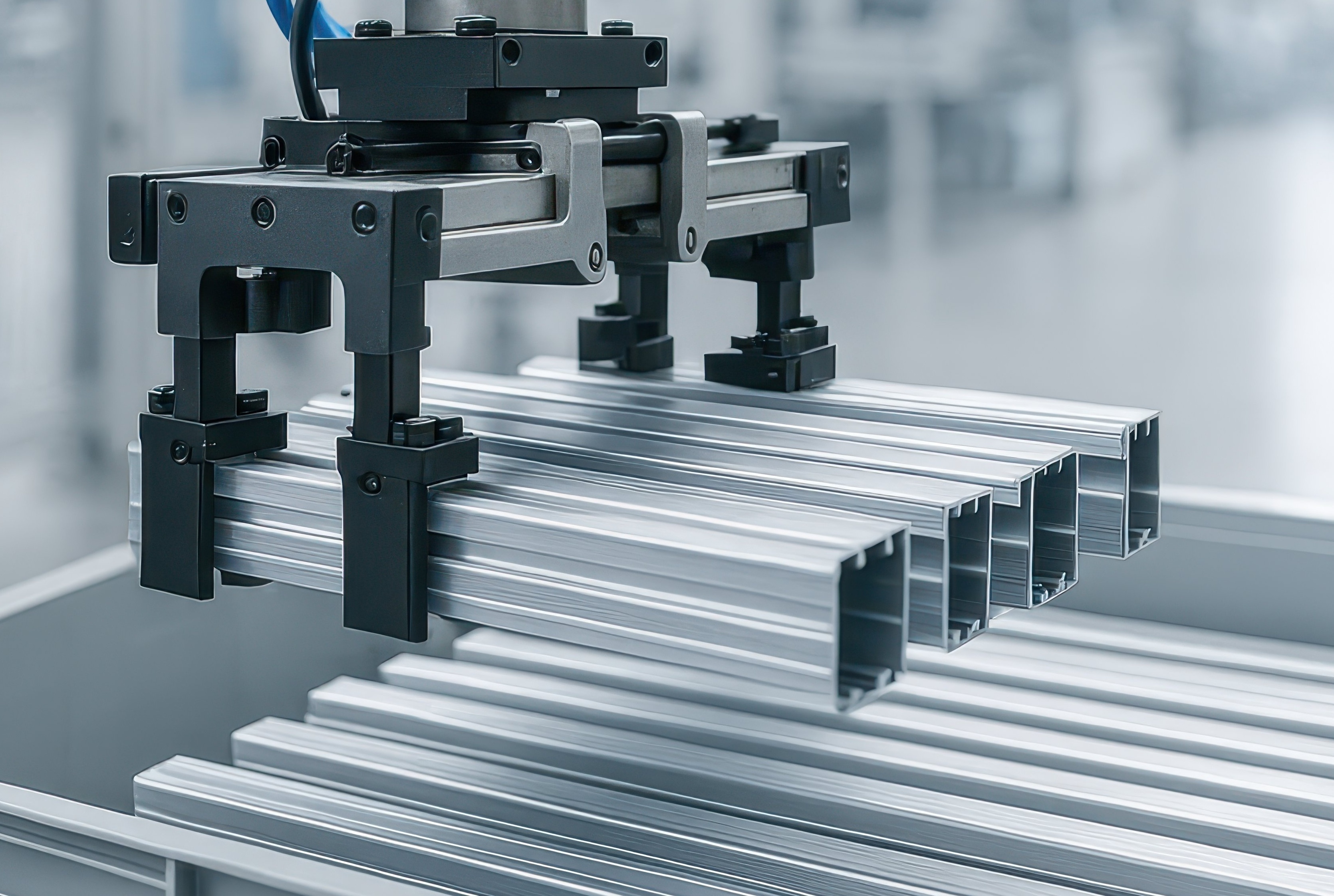
Robotic material handling is a central element of modern industrial automation. From high-speed pick-and-place operations to palletizing, machine tending, and intralogistics, automated handling systems ensure continuous material flow across production and warehouse environments.
High cycle rates, dynamic robot motion, and increasing system complexity place significant demands on the entire robotic infrastructure. Reliable energy transmission, stable data communication, and controlled mechanical routing are essential to maintain uptime and production efficiency.
With decades of global experience in industrial connectivity and robotic automation, BizLink has delivered hundreds of thousands of robotic energy supply and cable management solutions across automotive plants, electronics production lines, packaging facilities, intralogistics hubs, and cleanroom environments worldwide. Rather than treating cables and dresspacks as individual components, BizLink approaches robotic energy and media management as a system-critical engineering discipline.
Manufacturers, OEMs, and Tier suppliers rely on BizLink’s deep application expertise in high-dynamic handling, global engineering and service footprint, and extensive partner network to ensure predictable lifecycle performance, reduced downtime risk, and long-term operational stability in demanding material handling applications.
What Is Robotic Material Handling?
Robotic material handling refers to the automated movement, positioning and manipulation of parts, components or products within manufacturing or logistics environments. Industrial robots replace or support manual tasks, improving speed, consistency and safety.
Typical Material Handling Tasks
Common robotic handling applications include:
- Pick and place operations
- Palletizing and depalletizing
- Machine tending
- Sorting and packaging
- Line-side feeding and part transfer
These applications typically operate continuously across multiple shifts, creating sustained mechanical and electrical stress on robotic systems.
Why Automation Is Increasing in Material Handling
Manufacturers increasingly automate material handling to:
- Address labor shortages
- Increase throughput
- Improve process consistency
- Enable flexible production strategies
- Reduce operational errors
Automation supports scalable and data-driven manufacturing environments.
Robots Used in Material Handling
Articulated Robots
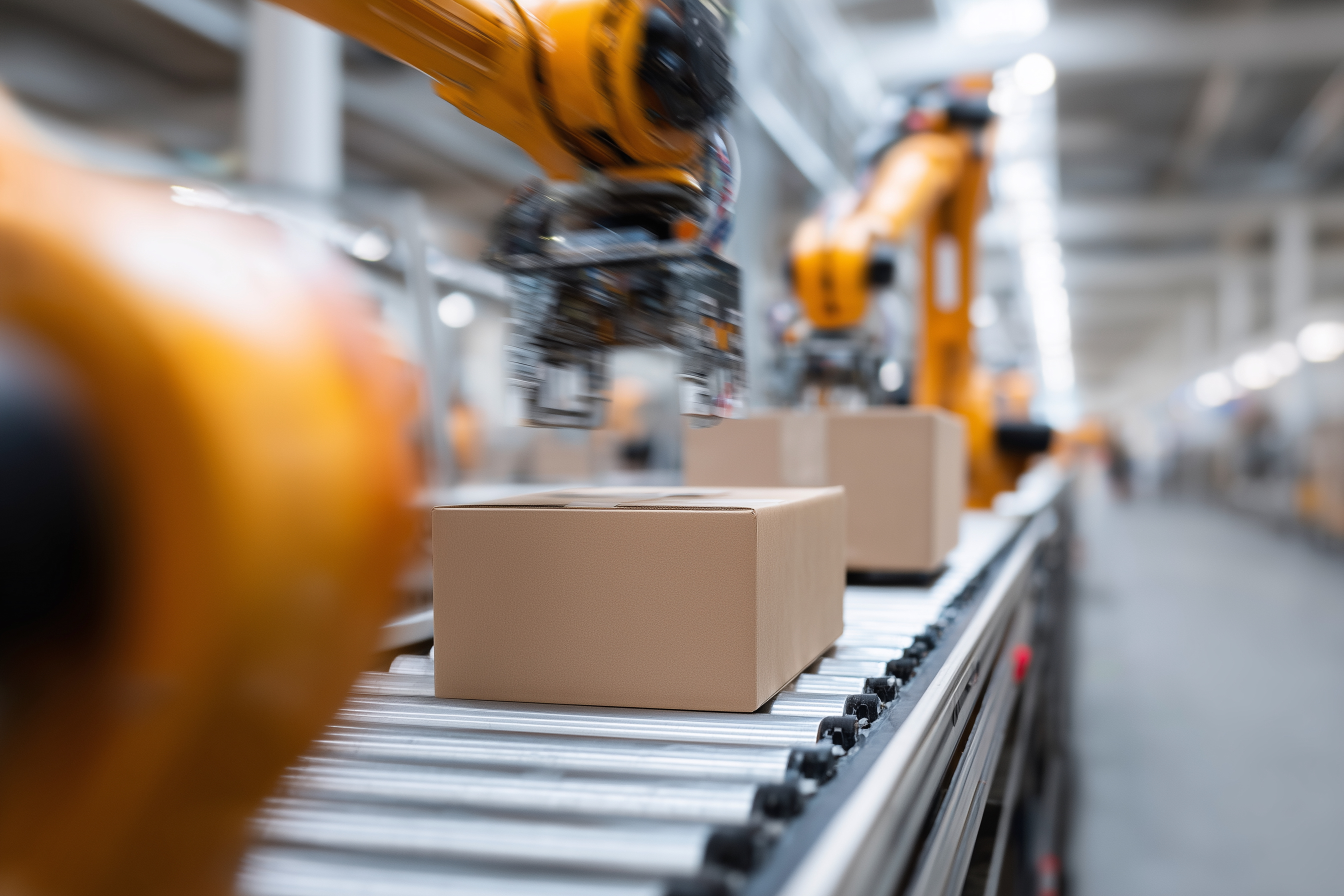
Articulated robots are widely used for complex multi-axis movements such as pick and place, machine tending and assembly line transfer. Their flexibility allows precise positioning across large working envelopes.
Autonomous Mobile Robots (AMRs) and Automated Guided Vehicles (AGVs)
AMRs and AGVs enable flexible horizontal transport of materials in production and warehouse environments.
- AMRs use sensor-based navigation and dynamic path planning.
- AGVs follow predefined routes for predictable transport tasks.
Both play a key role in modern intralogistics and decentralized material flow concepts.
Collaborative Robots (Cobots)
Cobots are designed for safe human-robot interaction. In material handling, they support flexible workstation supply, small-batch production and assisted assembly processes. Their integration requires stable data communication and controlled system design.
High-Speed Scara & Delta Robots
Scara & Delta robots are commonly used in packaging and sorting applications where extremely high cycle rates and lightweight handling are required. Their dynamic motion generates significant torsional stress on cables and dresspacks.
Industries That Use Robot Material Handling Solutions
Our solutions support robot material handling in industries where precision, throughput, and uptime are critical. Common use cases include:
- Automotive manufacturing: line-side feeding, part transport
- Electronics production: precision pick & place
- Food & beverage packaging: hygienic, high-speed handling
- Pharmaceutical & cleanroom environments: controlled handling
- Intralogistics & e-commerce fulfillment centers: sorting and order picking
- Mechanical and plant engineering: automated supply and machine tending
This reflects how robots increasingly transform material flow across sectors.
System Architecture in Robotic Material Handling
Successful deployment of robotic material handling requires more than selecting the right robot type. Performance depends on a coordinated and stable system architecture.
A reliable automation setup typically includes:
- End effectors such as grippers or vacuum tools
- Vision and sensor systems for object recognition
- Manufacturing Execution Systems (MES) or Warehouse Management Systems (WMS)
- And critically: robust energy, data, and media supply along the robot kinematics
While robots perform the movement, the supporting infrastructure determines long-term reliability. Stable cable performance, controlled routing and durable media supply are fundamental to sustained production stability.
Why Material Handling Reliability Determines Production Performance
Material handling systems operate at the intersection of speed, precision and endurance. Reliability directly influences productivity and overall equipment effectiveness (OEE).
High Dynamic Motion and Cycle Stress
Handling robots frequently operate with:
- High acceleration and deceleration
- Rapid directional changes
- Continuous multi-shift operation
These dynamic loads introduce constant torsion and bending stress into cables and dresspacks.
Payload Variability and End Effector Influence
Different grippers, vacuum systems and payload weights influence torque behavior and cable bending radii. Mechanical instability can reduce positioning accuracy and shorten component lifetime.
Increasing Data and Sensor Integration
Modern handling systems rely on vision-guided robotics, barcode tracking and AI-supported picking systems. Stable and interference-free signal transmission is essential for reliable operation.
Critical Quality Factors in Robotic Material Handling
Energy and Data Transmission Stability
Stable power and signal supply are essential for motion control, sensor functionality and gripper performance. Cable fatigue or signal interruption can immediately disrupt production flow.
Controlled Cable Routing and Mechanical Stability
Uncontrolled dresspack movement can:
- Introduce excessive torsion
- Influence robot positioning
- Accelerate wear at bending points
Structured routing improves predictability and long-term durability.
Predictive Maintenance and Wear Transparency
In high-cycle environments, early detection of wear patterns is critical. Monitoring mechanical behavior enables proactive maintenance planning and reduces unplanned downtime.
BizLink Solutions for Robotic Material Handling
Reliable robotic material handling requires durable infrastructure, controlled mechanical routing and intelligent monitoring. BizLink supports these requirements with integrated solutions engineered for dynamic industrial environments.
Robot Dresspacks (Cable Management Systems)
Modular and robot-specific dresspack systems designed for controlled routing and defined bending radii.
Benefits:
- Reduced mechanical stress
- Controlled torsion management
- Improved cable lifetime
- Maintenance-friendly design
- OEM and integrator customization
Typical Applications:
- Pick and place
- Machine tending
- Palletizing and depalletizing
- Logistics automation
BizLink cable management systems
careDP – Condition Monitoring for Robot Dresspacks
careDP enables condition-based monitoring of robotic cable management systems.
It allows early detection of:
- Wear progression
- Critical stress conditions
- Imminent cable failures
Advantages:
- Predictive maintenance planning
- Reduced unplanned downtime
- Increased system transparency
- Higher overall equipment effectiveness (OEE)
High-Flex Energy and Data Cables
High-performance robotic cables engineered for continuous dynamic motion, multi-axis torsion, and long service life in demanding material handling environments.
Designed to ensure stable power transmission and reliable signal integrity under high cycle rates and variable payload conditions.
Benefits
- High torsional resistance for multi-axis robot motion
- Stable energy transmission under dynamic load
- Reliable data communication for vision and sensor systems
- Long service life in continuous operation
- Reduced unplanned downtime due to cable fatigue
- Optimized shielding for interference-free signal transmission
Typical Applications
- High-speed pick and place
- Vision-guided handling systems
- Automated packaging lines
- Assembly cell supply
- Flexible intralogistics stations
Learn more about robotic cables
Durable Media Hoses for Robotic Applications
Robust pneumatic and vacuum hose solutions engineered for dynamic robotic motion and continuous material handling cycles.
Designed to maintain stable media supply while resisting abrasion, torsion, and repetitive bending.
Benefits
- Reliable pneumatic and vacuum performance
- Resistance to abrasion and mechanical stress
- Stable airflow under dynamic movement
- Long service intervals
- Reduced leakage risk
- Optimized flexibility for compact dresspack routing
Typical Applications
- Vacuum-based gripping systems
- Pneumatic grippers
- Packaging automation
- Palletizing and depalletizing
- Collaborative handling stations
FAQ Material Handling
What are the most common failure issues in handling applications?
The most frequent failure points in robotic handling applications are cable breaks, torsional fatigue, hose abrasion, connector failures, and insufficient strain relief at robot axes with high dynamic loads. These issues are often caused by uncontrolled cable routing, excessive bending radii, and increasing robot acceleration profiles.
How does robot acceleration and deceleration affect robotic cable life?
Higher acceleration and deceleration rates significantly increase mechanical stress on cables and hoses. Rapid motion changes create cyclic torsional loads and bending stress, which accelerate material fatigue. Without a properly engineered dresspack system that controls routing and strain distribution, cable lifetime can decrease dramatically as robot speed increases.
Why do dresspacks fail as robot speed increases?
As robot speed and cycle rates increase, dynamic forces on the cable management system rise exponentially. Poorly designed dresspacks may allow uncontrolled movement, cable whipping, excessive torsion, or localized stress points. Over time, this leads to insulation damage, conductor fatigue, and premature system failure. High-speed applications require engineered routing geometry, defined bending radii, and mechanical stabilization.
How can cable failures in robotic handling be prevented?
Cable failures can be significantly reduced by using robot-specific high-flex cables, controlled routing systems, proper strain relief, and condition monitoring solutions such as careDP. Application-specific engineering is critical in high-cycle environments.
Let’s Optimize Your Robot Material Handling Performance
Whether you are responsible for robotics integration, plant reliability, automation engineering, or operational performance, we help you design high-performance robot material handling systems that protect uptime. Let’s discuss how to reduce risk and secure long-term system stability.