
Robotic Riveting Solutions for Industrial Automation
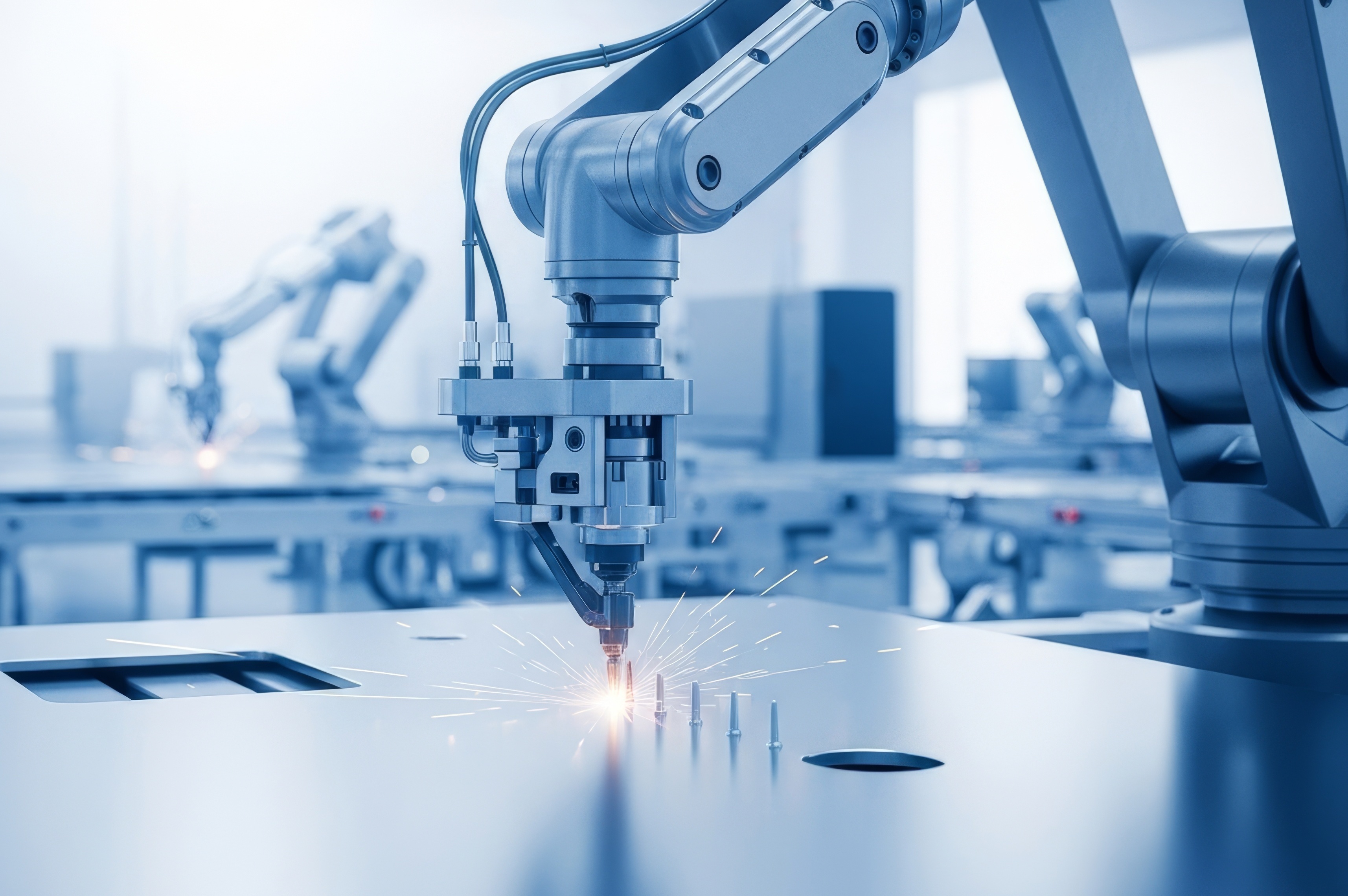
Robotic riveting is a mechanical fastening process used to permanently join materials by deforming a rivet to create a structural connection. In automated production environments, robotic riveting ensures consistent fastening quality, high repeatability and reduced cycle times.
The process is widely used in automotive body manufacturing, aerospace assembly, appliance production and lightweight structural applications where reliable mechanical joints are required.
Riveting tools generate significant reaction forces and require precise positioning, stable feeding systems and controlled cable routing. Long-term system stability is essential to maintain joint integrity and production uptime.
With decades of global experience in robotic energy and media management, BizLink supports manufacturers with engineered cable, dresspack and feeding solutions optimized for high-force riveting applications.
What Is Robotic Riveting?
Riveting is a joining process in which a rivet is inserted into aligned holes or positioned between overlapping materials and then mechanically deformed to create a permanent joint.
In robotic systems, the rivet-setting tool is mounted on the robot arm. The robot positions the tool at predefined fastening points, applies controlled force, and verifies joint formation.
Robotic riveting enables:
- High positional accuracy
- Controlled force application
- Integrated process monitoring
Repeatable structural performance
How the Robotic Riveting Process Works
The process typically includes:
- Positioning and aligning components
- Feeding and placing the rivet
- Applying a defined setting force
- Deforming the rivet to create a mechanical lock
- Verifying correct installation
Even small positional deviations can affect rivet deformation and structural strength.
Joint quality depends on:
- Accurate tool alignment
- Controlled force application
- Stable component positioning
- Reliable feeding systems
Types of Riveting Used in Robotic Applications
Solid Riveting
Solid rivets are inserted into pre-drilled holes and deformed to create a strong structural joint. This method is widely used in aerospace and heavy structural applications.
Blind Riveting
Blind rivets are installed from one side of the assembly and are commonly used where backside access is limited. They are frequently used in appliance and sheet metal manufacturing.
Self-Piercing Riveting (SPR)
Self-piercing riveting does not require pre-drilled holes. The rivet pierces the top layer and forms an interlock in the lower layer. SPR is widely used in automotive lightweight construction and mixed-material assemblies.
Each riveting type influences tool force requirements, feeding systems, and robotic integration strategy.
Riveting System Technology in Robotic Integration
In automated production, the riveting system consists of the setting tool, feeding mechanism, force control system and monitoring technology.
Understanding these system components is essential for reliable robotic operation.
Hydraulic vs. Servo Riveting Systems
Hydraulic systems provide high force capability and are commonly used in structural applications requiring significant forming force.
Servo-driven riveting systems offer programmable force curves, higher control accuracy and integrated monitoring. They enable better traceability and quality validation in automated lines.
Force Control and Process Monitoring
Modern robotic riveting systems monitor force and displacement during each cycle.
Analyzing the force-displacement curve allows detection of:
- Incomplete rivet formation
- Material thickness variations
- Misalignment
- Tool wear
Stable signal transmission and mechanical positioning are critical for accurate monitoring.
Rivet Feeding Systems
Automated riveting requires reliable feeding systems to deliver rivets to the setting tool.
Feeding systems may use pneumatic blow-feed mechanisms or mechanical transfer systems. Hose durability, abrasion resistance and dimensional stability are essential to prevent feeding interruptions.
Reaction Forces and Robot Stability
Riveting generates significant reaction forces during rivet deformation.
These forces introduce torsion and mechanical stress into:
- The robot arm
- Cable systems
- Dresspacks
- Feeding hoses
Structured routing and mechanical stabilization protect system components and improve long-term durability.
Critical Quality Factors in Robotic Riveting
TCP Accuracy and Tool Alignment
Precise alignment ensures correct rivet placement and consistent deformation. TCP deviations may lead to off-center rivets or reduced structural strength.
Controlled Force Application
Insufficient or excessive setting force can compromise joint quality. Programmable force control improves repeatability.
Stable Feeding Infrastructure
Unstable or worn feeding hoses can interrupt production and cause misfeeds. Abrasion-resistant polyurethane hoses improve long-term reliability.
Mechanical and Cable Stability
Uncontrolled cable movement can influence positioning accuracy and accelerate wear. Optimized dresspack systems stabilize routing under dynamic motion.
Industrial Applications of Robotic Riveting
Automotive Manufacturing
Robotic riveting is widely used in body-in-white production, lightweight aluminum assemblies and mixed-material structures.
Aerospace Assembly
Structural airframe components rely on high-strength riveted joints requiring precision and repeatability.
Appliance and Sheet Metal Manufacturing
Blind and mechanical riveting are used in housing assembly and structural reinforcement.
E-Mobility and Battery Systems
Riveting supports structural battery enclosures and lightweight vehicle components.
BizLink Solutions for Robotic Riveting Applications
High-Durability Robotic Cables
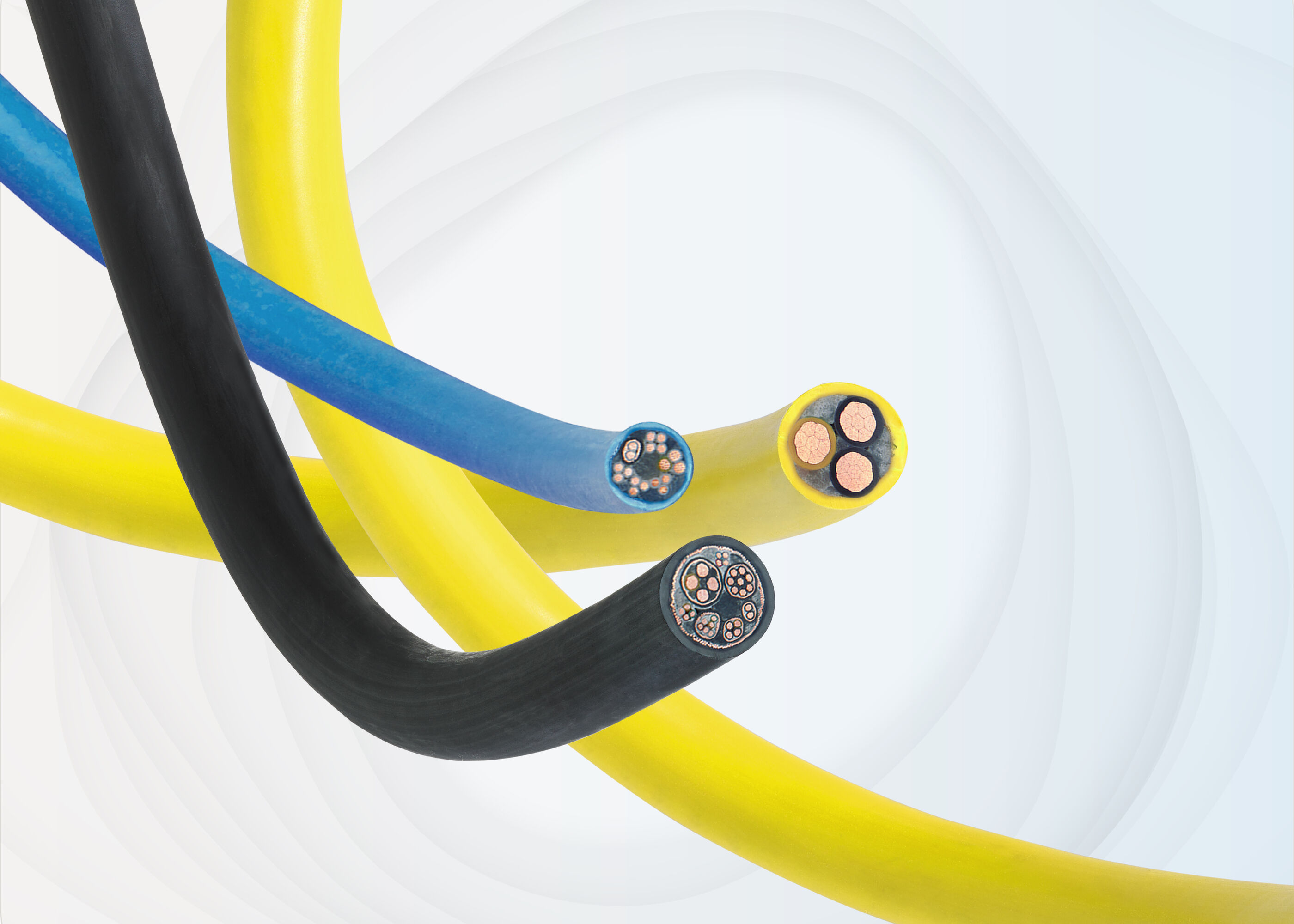
Robotic riveting tools generate significant reaction forces during rivet deformation, especially in self-piercing riveting (SPR) and structural applications. BizLink cables are engineered for continuous torsion and bending under these high mechanical loads, ensuring a stable power supply and reliable signal transmission for force monitoring systems.
Optimized conductor design and robust insulation reduce fatigue caused by repetitive high-force riveting cycles and dynamic robotic motion.
Engineered Dresspack Systems
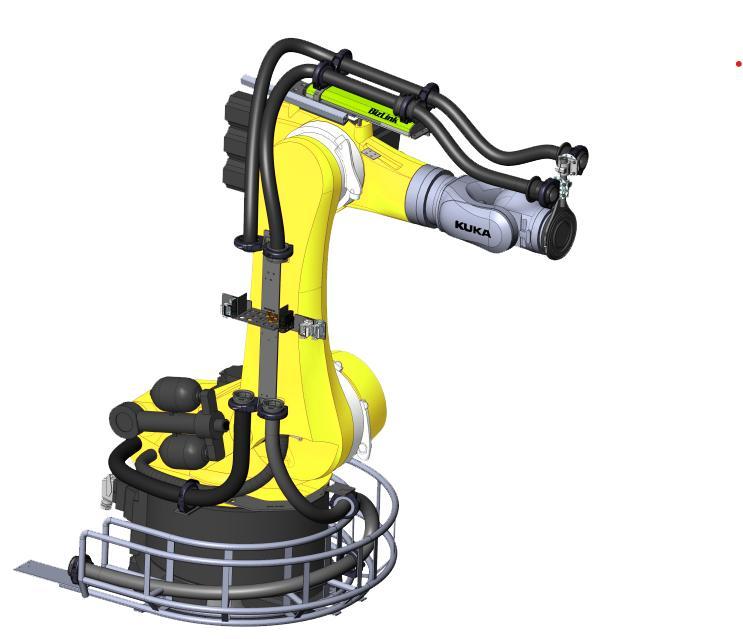
During rivet setting, reaction forces introduce torsional stress into the robot arm and attached routing systems. Uncontrolled cable movement can influence tool positioning and accelerate wear.
Optimized dresspack solutions stabilize cable and hose movement, maintain defined bending radii and reduce mechanical strain. Controlled routing supports consistent rivet placement and long-term structural fastening reliability in high-cycle production.
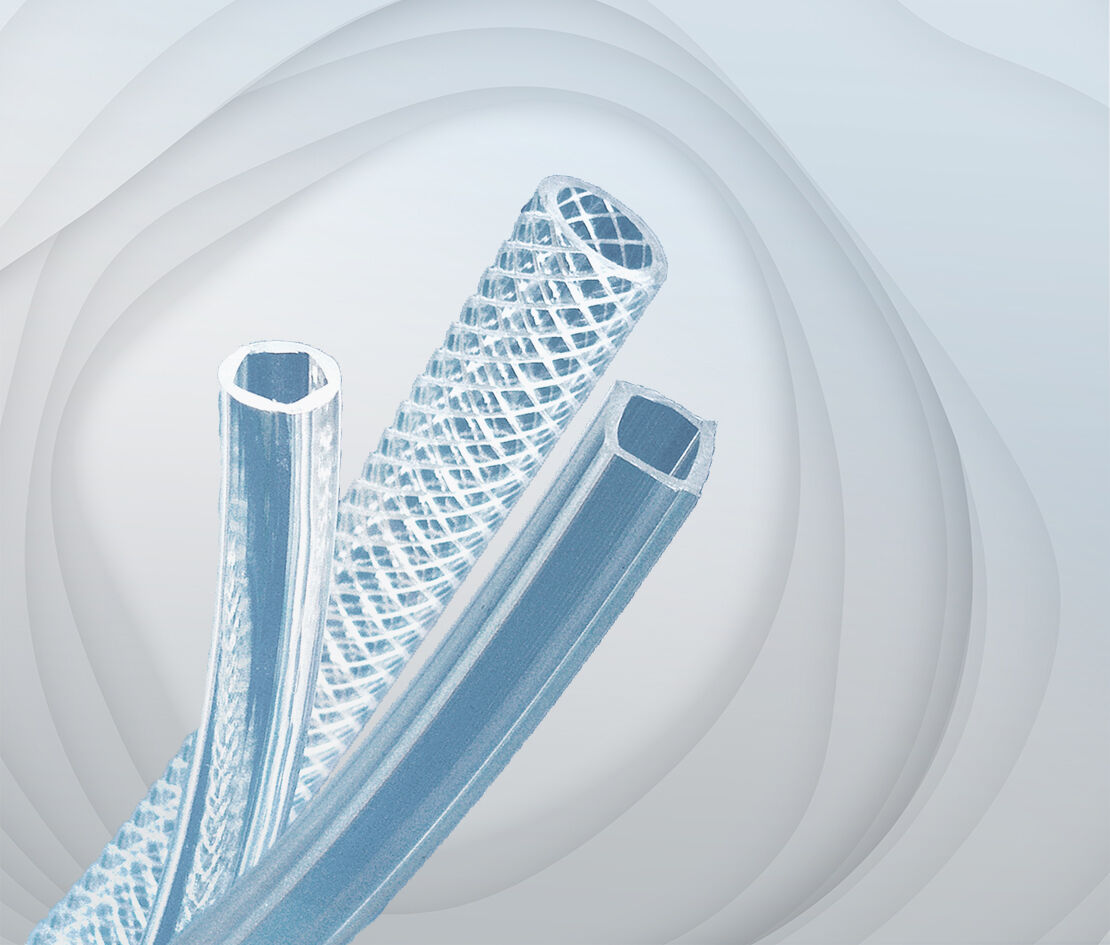
BizLink Tube Profile-Line – Feeding Hoses for Riveting Systems
For pneumatic rivet delivery systems, the BizLink Tube Profile-Line provides abrasion-resistant polyurethane hoses engineered for high-cycle feeding applications.
Customizable profiles and pressure characteristics, combined with low vibration tendency, ensure reliable and continuous rivet feeding in demanding automotive and aerospace production environments.
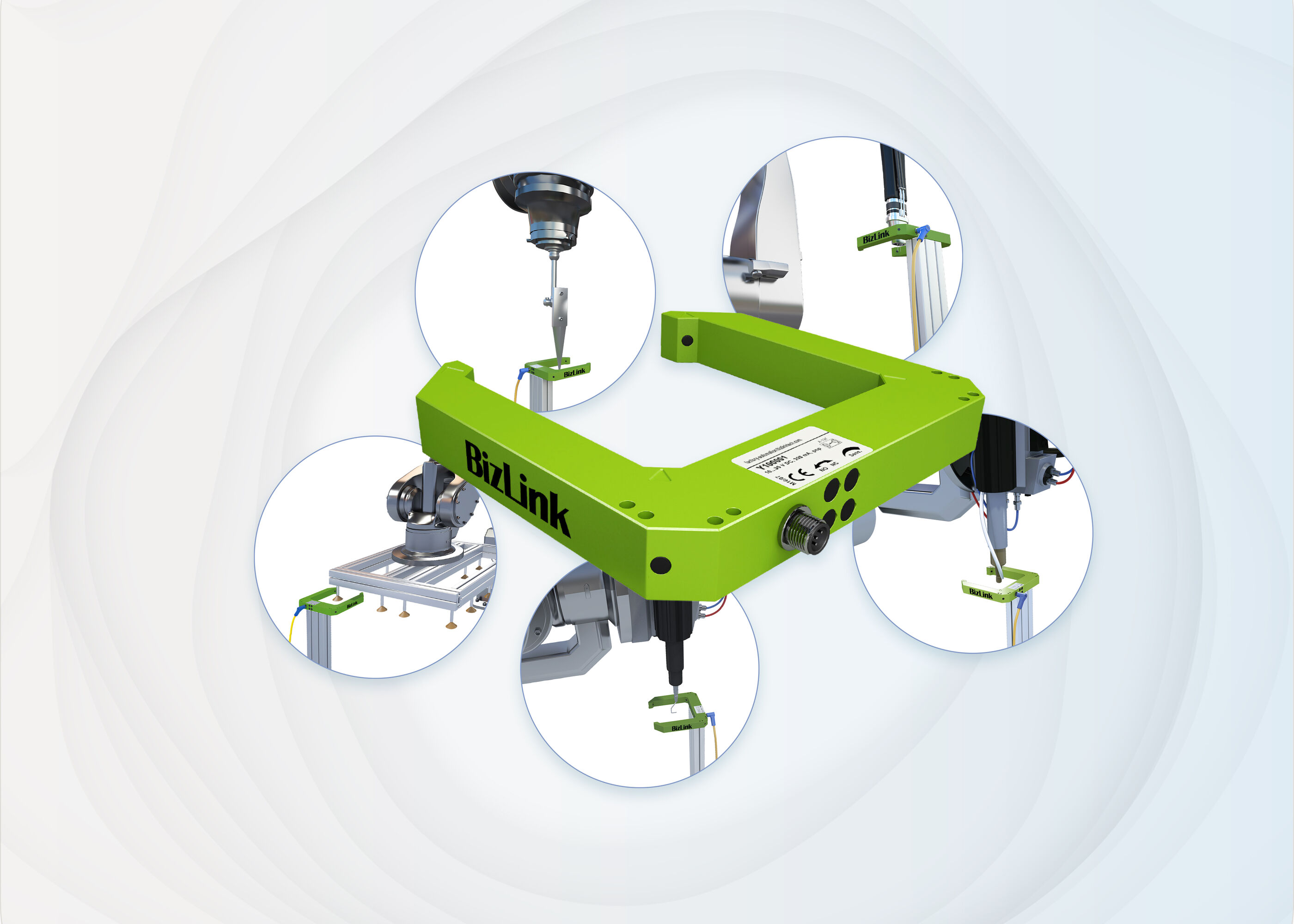
BizLink advintec TCP Tool Measurement
Accurate rivet positioning is essential to ensure proper deformation, interlock formation and structural joint integrity. BizLink advintec TCP enables automated and highly precise verification of the robot’s tool center point (TCP) directly within the production environment.
The system is independent of the specific application and primarily depends on the geometry of the robot tool. Rotation-symmetric robotic tools can be calibrated particularly easily. Even complex or indirectly measurable tools can be referenced using auxiliary pins or defined reference components.
By compensating measured deviations directly within the robot program, advintec TCP supports consistent rivet alignment, minimizes positional drift and enhances fastening reliability across high-cycle structural applications.
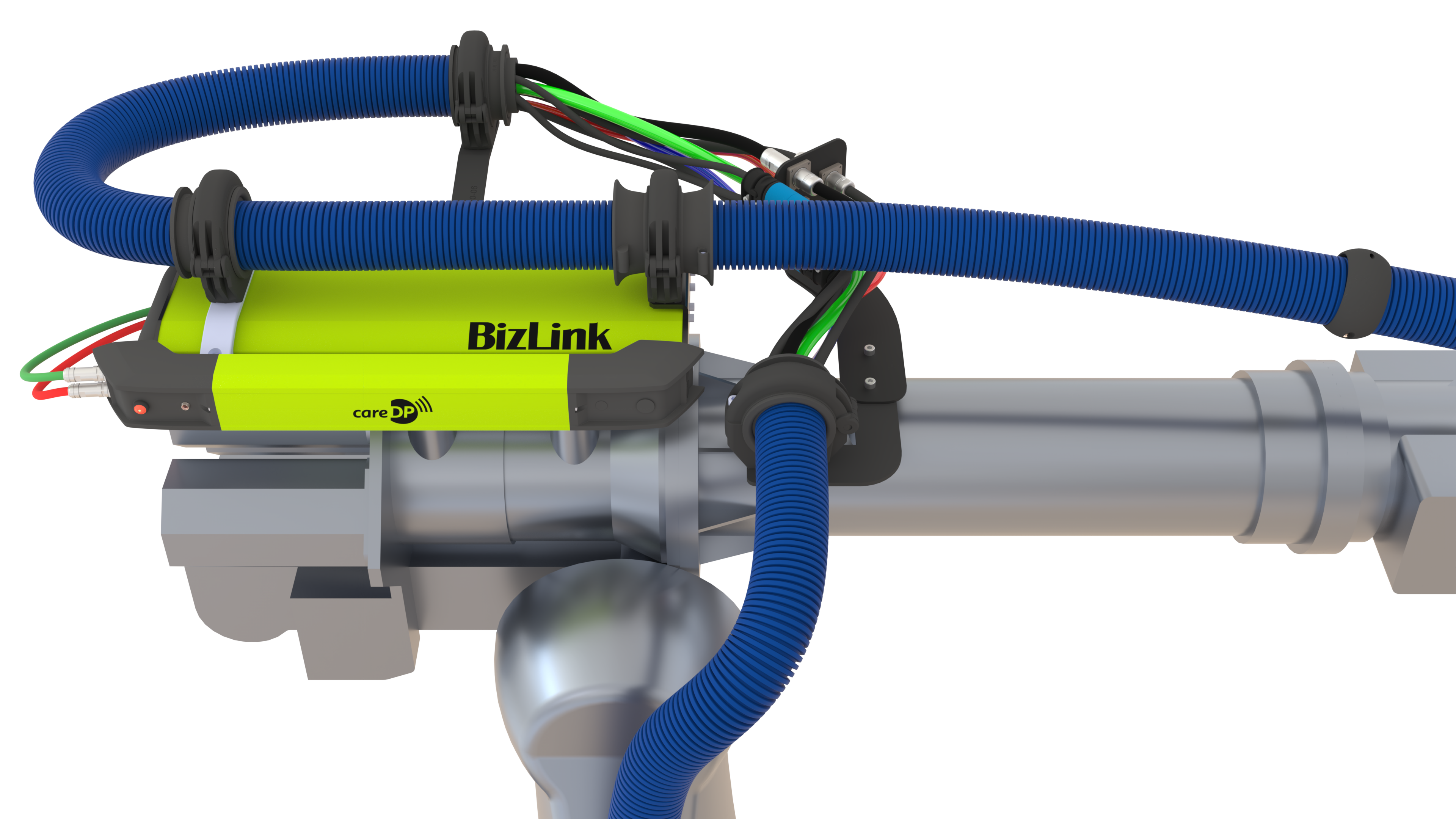
careDP – AI-Powered Condition Monitoring
In robotic riveting, repetitive high-force cycles and mechanical shock introduce continuous stress to cables, hoses and routing systems. careDP monitors robotic dresspack behavior and detects early signs of abnormal stress patterns or wear development.
Predictive insights enable proactive maintenance planning and help prevent unexpected failures that could interrupt structural fastening operations.
By combining durable cable systems, optimized feeding hoses, stabilized routing and intelligent monitoring, BizLink strengthens rivet placement accuracy, feeding reliability and overall equipment effectiveness in automated riveting systems.
FAQ Riveting
What are the most common failure issues in robotic riveting?
Common issues include incomplete rivet formation, misalignment, feeding interruptions and tool wear. Mechanical instability or TCP deviation can affect rivet positioning and joint strength.
How does self-piercing riveting differ from traditional riveting?
Self-piercing riveting does not require pre-drilled holes. The rivet pierces the upper material layer and forms an interlock in the lower layer, making it suitable for mixed-material and lightweight assemblies.
How do reaction forces affect robotic riveting systems?
Rivet setting generates significant mechanical stress on the robot and dresspack. Controlled routing and stabilization reduce torsional stress and extend system lifetime.
Why is force-displacement monitoring important in riveting?
Monitoring the force curve ensures correct rivet deformation and allows early detection of material variations or tool wear.
How can predictive maintenance improve riveting uptime?
Monitoring dresspack movement and mechanical stress patterns enables early detection of abnormal wear, reducing unexpected downtime in high-cycle production.
Secure Long-Term Reliability in Robotic Riveting Systems
Robotic riveting performance depends on precise tool alignment, controlled force application and stable mechanical infrastructure under high reaction forces.
Whether you are an OEM, system integrator, automation engineer or maintenance manager responsible for structural fastening performance, BizLink supports you in designing reliable, high-performance robotic riveting systems.
Let’s evaluate your riveting application and identify opportunities to improve joint consistency, feeding reliability and long-term production uptime.