
Robotic Stud Welding Solutions
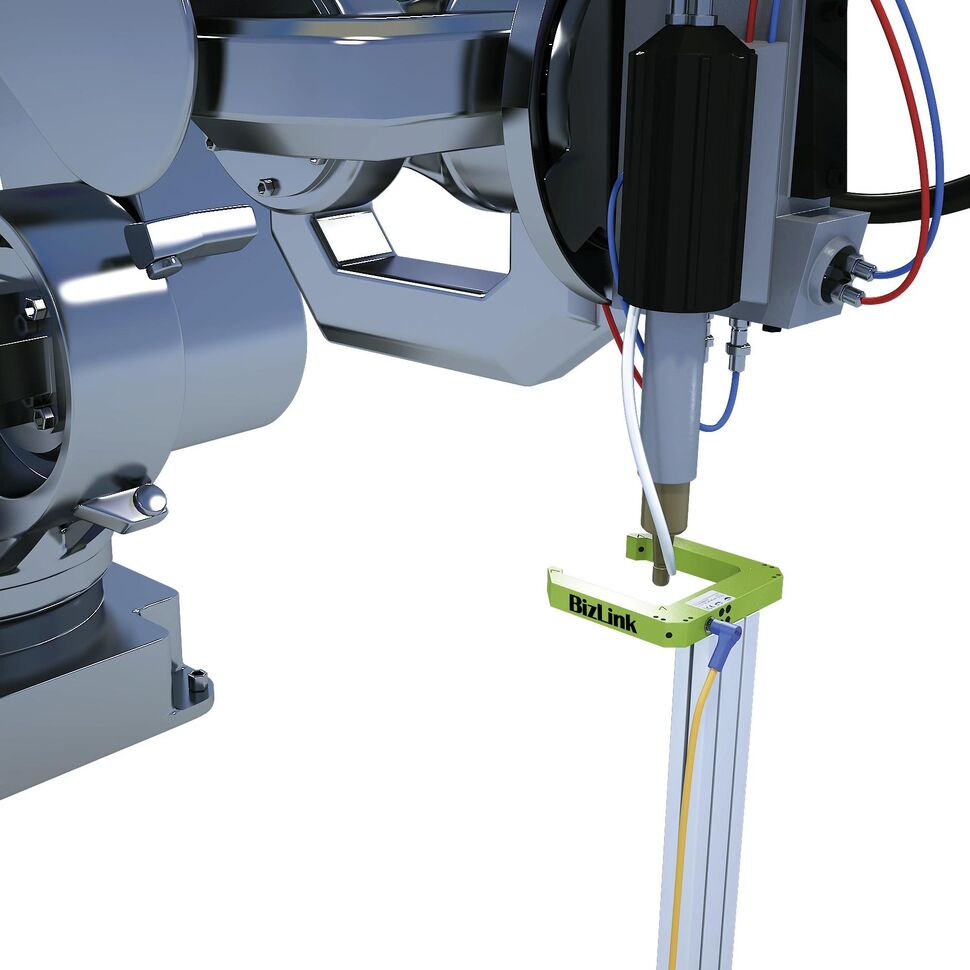
Robotic stud welding is a highly efficient joining process used to fasten threaded studs, pins or fasteners onto metal surfaces in a single, rapid operation. The process enables strong, repeatable connections without drilling, tapping or additional mechanical fastening.
In automated production environments, stud welding requires precise positioning, stable high-current transmission and reliable mechanical routing. Extremely short welding cycles combined with dynamic robot motion create demanding conditions for the entire robotic system.
BizLink supports manufacturers with integrated robotic solutions that enhance positioning accuracy, electrical stability and long-term system reliability in stud welding applications.
What Is Robotic Stud Welding?
Stud welding is a process in which a metal stud is welded onto a base material using either an arc-based or capacitor discharge method. The stud tip and base material are momentarily melted and fused together under controlled pressure.
The result is a full cross-sectional weld with high mechanical strength, minimal distortion and no need for backside access.
How the Robotic Stud Welding Process Works
The process typically includes:
- Positioning the stud against the workpiece
- Igniting a short-duration arc or capacitor discharge
- Melting both stud tip and base material
- Applying defined pressure to form fusion
- Rapid solidification within milliseconds
Due to the extremely short weld cycle, stud welding is highly suited for automation and high-volume manufacturing.
Common Stud Welding Methods
- Drawn Arc Stud Welding
Used for larger studs and structural applications requiring higher weld strength. - Capacitor Discharge (CD) Stud Welding
Very short discharge time and low overall heat input, ideal for thin sheet materials and precision applications.
Both methods require exact positioning and stable energy delivery to ensure consistent weld formation.
Why Robotic Stud Welding Is Essential in Modern Manufacturing
High Repeatability for Fastening Points
Robots position welding guns at predefined coordinates with high repeatability. However, true fastening accuracy depends on stable tool positioning and controlled mechanical routing.
Even minor positional deviations can result in off-center studs or insufficient fusion.
Short Cycle Times and High Throughput
Stud welding cycles are extremely fast. Automated systems may perform thousands of welds per shift. Interruptions caused by cable fatigue, electrical instability or mechanical interference can quickly reduce productivity.
Maintaining long-term system stability is therefore critical to overall equipment effectiveness (OEE).
Reduced Thermal Distortion
Compared to conventional welding processes, stud welding introduces limited overall heat into the workpiece. This makes it particularly suitable for lightweight construction, thin sheet materials and sensitive assemblies.
Stud Welding Guns and Process Equipment in Robotic Systems
In robotic stud welding, the welding gun and associated power system play a central role in determining weld quality, repeatability and long-term reliability. The interaction between electrical discharge, mechanical lift movement and controlled plunge timing directly influences fusion consistency.
Understanding these system components is essential for stable automated production.
Drawn Arc vs. Capacitor Discharge Systems
Two primary stud welding technologies are used in robotic applications:
Drawn Arc Stud Welding is typically used for larger diameter studs and structural applications. It generates a longer arc duration with higher total heat input, enabling deep fusion and strong mechanical bonding.
Capacitor Discharge (CD) Stud Welding operates with extremely short current pulses and minimal overall heat input. It is well suited for thin sheet materials and precision fastening.
Each system requires different current characteristics, power cable specifications and integration strategies within robotic environments.
Lift Mechanism and Plunge Control
In drawn arc systems, the stud is first lifted slightly to create an arc gap. After arc ignition, the stud is plunged into the molten pool under controlled timing and force.
Precise lift height and plunge synchronization are critical for consistent weld formation. Mechanical instability or positional deviation can influence arc behavior and fusion quality.
Ferrule-Based vs. Ferrule-Free Welding
Ferrules are ceramic rings placed around the weld zone to contain the molten material and shield the arc from atmospheric contamination.
Ferrule-based systems improve weld consistency in structural applications but require reliable feeding mechanisms and clean handling in automated production.
Ferrule-free systems simplify automation but require highly stable electrical and mechanical conditions.
Integration of Power Supply and Grounding
Stud welding involves extremely high current peaks within milliseconds. Stable power delivery, low-resistance grounding and mechanically secure cable routing are essential to maintain consistent arc initiation and weld strength.
Uncontrolled movement or cable fatigue can influence electrical stability and long-term process reliability.
Industrial Applications of Robotic Stud Welding
Automotive Manufacturing
- Interior mounting points
- Heat shield fixation
- Battery housing assemblies
- Structural reinforcement elements
High production volumes require robotic systems capable of sustained precision and durability over millions of cycles.
Electrical Cabinets and Sheet Metal Enclosures
Stud welding allows efficient mounting of components without backside access, simplifying assembly and reducing production time.
HVAC and Construction Components
Brackets, insulation anchors and mounting connectors are commonly applied using automated stud welding systems.
Critical Quality Factors in Robotic Stud Welding
Stud welding performance depends on the interaction between positioning precision, electrical reliability and mechanical robustness.
Accurate TCP and Positioning Stability
Precise stud placement requires a stable and verified tool center point (TCP). Deviations may occur due to:
- Mechanical wear
- Tool exchange
- Thermal influences
- Continuous dresspack movement
Even small TCP shifts can compromise stud positioning and weld quality.
Reliable High-Current Transmission
Stud welding involves very high current peaks within milliseconds. Power cables must:
- Maintain conductivity under dynamic robotic motion
- Withstand thermal stress
- Resist insulation fatigue
Electrical instability can directly influence weld formation and mechanical strength.
Mechanical Stress from Repetitive Motion
High-speed robot movement generates continuous torsional and bending stress. Uncontrolled cable routing can lead to:
- Premature conductor fatigue
- Signal disruption
- Increased maintenance intervals
Mechanical stability is therefore essential for sustainable production.
Predictive Maintenance and System Transparency
Unexpected cable failure or mechanical wear can interrupt production. Monitoring dynamic system behavior enables early detection of wear patterns and supports predictive maintenance strategies.
Process Stability Through Integrated Robotic System Design
Maintaining Positional Accuracy Over Time
Robots are highly repeatable, but mechanical wear and thermal influences can gradually affect actual tool position. Regular verification of TCP accuracy ensures consistent stud placement across long production runs.
Ensuring Stable Energy Infrastructure
Reliable high-current transmission requires cables engineered for both electrical load and continuous dynamic motion. Stability in the energy supply directly supports consistent weld quality.
Controlling Dresspack Movement
Ideal cable routing reduces torsion, mechanical interference and stress concentration points. Controlled movement protects cables and stabilizes robot performance.
Enabling Predictive Maintenance Strategies
Monitoring mechanical behavior and wear development enables a shift from reactive troubleshooting to proactive system optimization — reducing downtime and improving production planning.
BizLink Solutions for Robotic Stud Welding Applications
High-Flex Welding and Control Cables
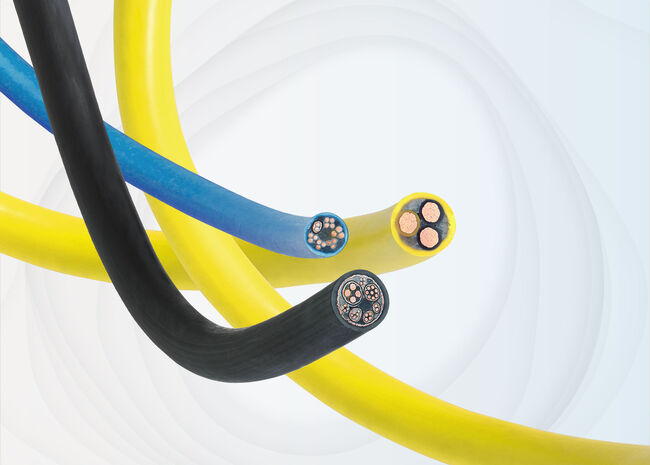
BizLink cables are designed for high current peaks and continuous robotic motion. Optimized conductor design and durable insulation ensure stable energy transmission and long service life under dynamic load.
Engineered Dresspack Systems
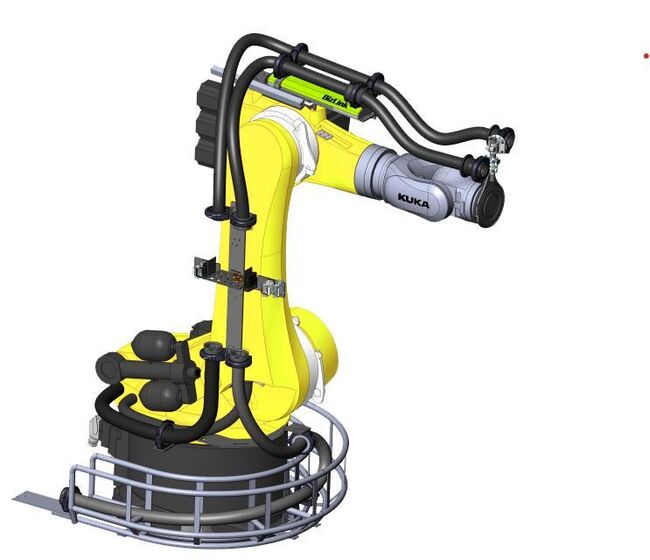
In robotic stud welding, extremely short weld cycles and high current peaks are combined with rapid mechanical movement and plunge motion. This creates dynamic stress on cables and routing systems.
BizLink dresspack solutions guide cables in defined paths, reducing torsion, absorbing mechanical shock and minimizing stress caused by repetitive motion. Controlled routing supports stable energy and signal transmission, helping to maintain consistent weld timing and process reliability.
This extends the lifetime of cables and robot components while ensuring stable performance in high-cycle stud welding applications.
BizLink advintec TCP Tool Measurement
In robotic stud welding, precise positioning of the welding tool is critical to ensure correct arc initiation, consistent fusion and accurate stud placement. Even small deviations can affect weld formation, alignment and joint strength.
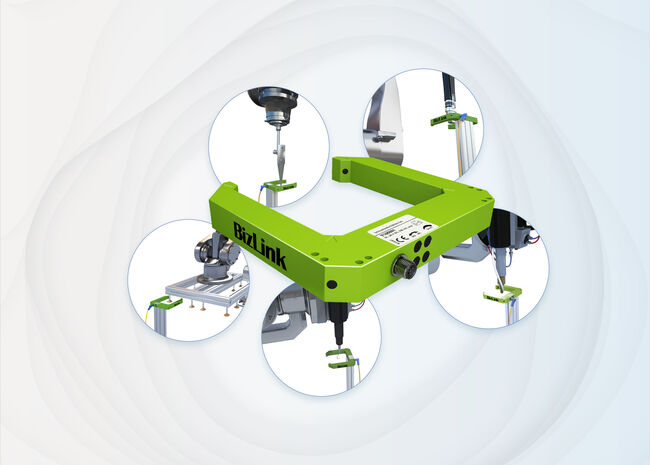
BizLink advintec TCP enables automated and highly precise verification of the robot’s tool center point (TCP) directly within the production environment.
The system is independent of the specific application and primarily depends on the geometry of the robot tool. Rotation-symmetric tools can be calibrated particularly easily. Even complex or indirectly measurable stud welding tools can be referenced using auxiliary pins or defined reference components.
By compensating measured deviations directly within the robot program, advintec TCP ensures consistent stud positioning, supports stable lift and plunge behavior and enhances process reliability in high-cycle stud welding applications.
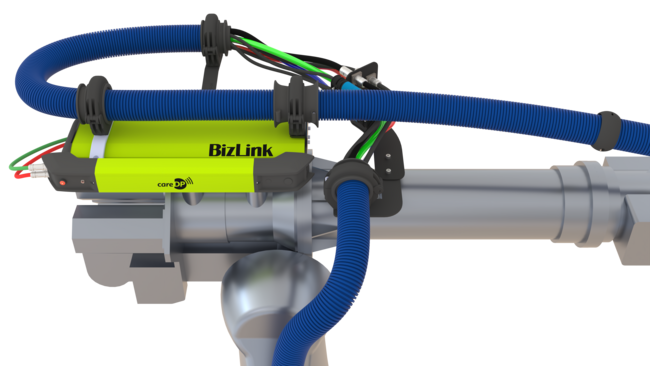
careDP – AI-Powered Condition Monitoring
In robotic stud welding, extremely short cycle times, rapid tool movement and repeated plunge motion create continuous mechanical stress on cables and routing systems. Over time, this can lead to wear, signal instability or unexpected failures.
careDP continuously analyzes robotic dresspack behavior and detects early signs of abnormal motion patterns or stress development.
By enabling predictive maintenance, it helps prevent unplanned downtime that could interrupt fastening operations and affect production throughput.
By combining calibration accuracy, durable cable management systems and intelligent monitoring, BizLink supports consistent stud placement, reduces process interruptions and enhances long-term reliability in high-cycle stud welding environments.
FAQ Stud Welding
How is weld strength verified in robotic stud welding?
Weld strength is typically validated through torque testing, bend testing, or pull-off testing. In automated production, process monitoring systems track parameters such as current, weld time and voltage to ensure each weld cycle meets specification. Consistent energy transmission and stable positioning are critical to achieving repeatable mechanical strength.
How does surface condition affect stud welding quality?
Surface condition plays a decisive role in stud welding because it directly influences arc stability, heat generation, and metallurgical bonding. Several factors are critical:
- Surface cleanliness: Contaminants such as oil, grease, paint, or dirt create electrical resistance inconsistencies and can prevent proper arc formation. This may lead to weak welds, incomplete fusion or increased spatter.
- Oxide layers and coatings: Materials like aluminum or galvanized steel naturally form oxide layers. These layers can interfere with electrical conductivity and arc initiation, resulting in unstable weld formation. In some cases, higher energy input or process adjustments are required.
- Surface roughness and flatness: Uneven or rough surfaces can prevent full contact between the stud and base material. This affects current distribution and may lead to irregular fusion or misalignment during the welding cycle.
- Coatings and plating: Protective coatings (e.g., zinc, paint) can vaporize during welding, causing porosity, spatter, or inconsistent weld quality if not properly managed.
- Electrical grounding quality: Poor surface condition at the grounding point can lead to unstable current flow, directly affecting weld consistency and repeatability.
What causes incomplete fusion in stud welding?
Incomplete fusion may result from insufficient current, improper welding time, inadequate contact pressure or positional deviation. Electrical instability, cable wear or poor grounding can also affect energy delivery and compromise weld integrity.
How does thermal load influence robotic stud welding systems?
Stud welding generates very high current peaks within milliseconds. Repeated cycles create localized thermal stress on power cables and connectors. Cables must be engineered to withstand both electrical peak loads and continuous robotic motion to prevent insulation degradation and conductor fatigue.
What role does grounding play in stud welding performance?
Stable grounding is essential for consistent arc initiation and weld quality. Poor grounding can lead to arc instability, inconsistent weld formation and increased spatter. A low-resistance return current path, secure ground connections and properly engineered welding power cables are critical to maintaining stable electrical conditions during high-current discharge.
How does stud welding compare to mechanical fastening?
Stud welding eliminates drilling, tapping and backside access, reducing process steps and assembly time. It provides a full cross-sectional weld with high mechanical strength while maintaining a clean surface appearance.
How can robotic stud welding maintain positional accuracy over millions of cycles?
Mechanical wear or thermal expansion can gradually influence TCP accuracy. Automated TCP verification helps maintain consistent stud placement in long production runs.
What are typical causes of misaligned studs in automated systems?
Misalignment may occur due to TCP drift, mechanical backlash, unstable dresspack routing or tool change inaccuracies. Regular calibration and well-designed cable management reduce positional deviation and improve fastening precision.
What are the most common failure issues in robotic stud welding applications?
Common failure causes include cable fatigue due to repetitive torsion, unstable high-current transmission, TCP drift, uncontrolled dresspack movement, and positioning deviations. Because stud welding involves extremely short, high-current pulses combined with dynamic robot motion, both electrical and mechanical stability are critical for long-term reliability.
How do high current peaks affect robotic cable lifetime?
Stud welding generates very high current peaks within milliseconds. Repeated thermal loading combined with continuous robot movement can accelerate conductor fatigue, insulation aging, and connection instability. Cables must be specifically engineered for both electrical peak loads and dynamic motion to ensure consistent weld performance and long service life.
Why is TCP accuracy so important in stud welding?
Stud welding requires precise placement at predefined fastening points. Even small positional deviations can result in off-center studs, incomplete fusion, or reduced mechanical strength. Continuous TCP verification ensures long-term placement accuracy, especially in high-cycle automated environments.
What role does cable routing play in stud welding reliability?
Poorly optimized cable routing can lead to excessive torsion, localized stress points, and conductor fatigue. Controlled dresspack systems define bending radii and stabilize cable movement, significantly extending cable lifetime and protecting robot mechanics.
How can predictive maintenance improve stud welding uptime?
Condition monitoring solutions such as careDP analyze robotic motion behavior and detect early signs of wear or abnormal stress patterns. This enables maintenance to be scheduled proactively rather than reactively, reducing unplanned downtime and improving production planning.
Ensure Reliable Stud Welding Performance in Your Production
BizLink combines robotic calibration expertise, engineered cable solutions and AI-powered monitoring to strengthen your stud welding automation.
Let’s analyze your stud welding application and identify how to improve accuracy, uptime and long-term system stability.
Contact our robotics specialists to discuss your production requirements.