
Laser Welding, Laser Brazing and Laser Cutting in Robotic Automation
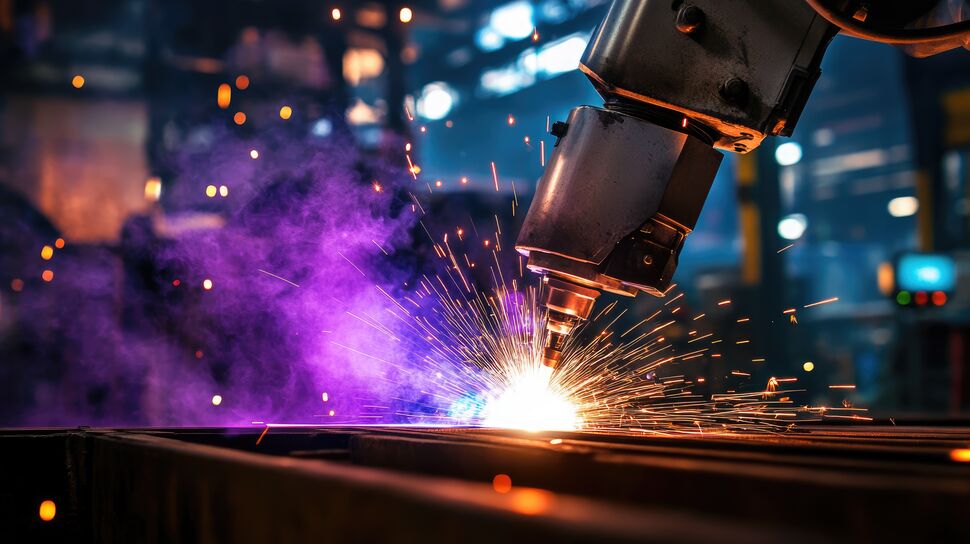
Laser-based manufacturing processes such as laser welding, laser brazing and laser cutting are high-precision technologies used in advanced industrial production. These processes enable clean seams, minimal heat input, high repeatability and excellent surface quality — particularly in automated robotic environments.
From automotive body-in-white production to precision sheet metal cutting and decorative brazing applications, laser systems support lightweight construction, structural integrity and reduced post-processing.
However, laser applications combine high energy density, tight tolerances and dynamic robot motion. Stable signal transmission, reliable power supply, precise TCP positioning and controlled media routing are essential to ensure long-term process reliability.
With decades of global experience in robotic energy and media management, BizLink supports manufacturers with engineered cable, dresspack and monitoring solutions designed for high-precision laser applications.
What Is Laser Welding?
Laser welding is a fusion welding process in which a highly focused laser beam melts and joins materials along a defined seam. The concentrated energy input allows deep penetration with minimal overall heat distortion.
Laser welding is commonly used for:
- Structural seams
- Battery housing assemblies
- Body-in-white components
- Thin sheet materials
- High-strength steel and aluminum
The process enables high welding speeds, narrow heat-affected zones and consistent seam quality.
How Laser Welding Works in Robotic Systems
In robotic laser welding, the laser source transmits energy through fiber optics to a laser head mounted on the robot. The robot positions the beam along the programmed weld path while maintaining precise focal distance and alignment.
Seam quality depends on:
- Stable beam guidance
- Accurate robot positioning
- Controlled cooling and shielding gas supply
- Reliable signal and power transmission
Even small deviations in positioning or cable stability can influence seam integrity.
What Is Laser Brazing?
Laser brazing joins materials using a filler wire that melts at a lower temperature than the base materials. Unlike welding, the base material does not fully melt, resulting in minimal distortion and smooth surface appearance.
Laser brazing is widely used in automotive visible joints such as:
- Roof seams
- Tailgate connections
- Exterior body joints
The process combines structural performance with high aesthetic standards.
Why Laser Brazing Requires High Positional Accuracy
Laser brazing demands precise filler wire feeding and consistent beam alignment. Variations in TCP accuracy or unstable dresspack routing may cause irregular seam geometry or visual defects e.g. by shifting the focal position. Mechanical stability is therefore essential for repeatable surface quality.
What Is Robotic Laser Cutting?
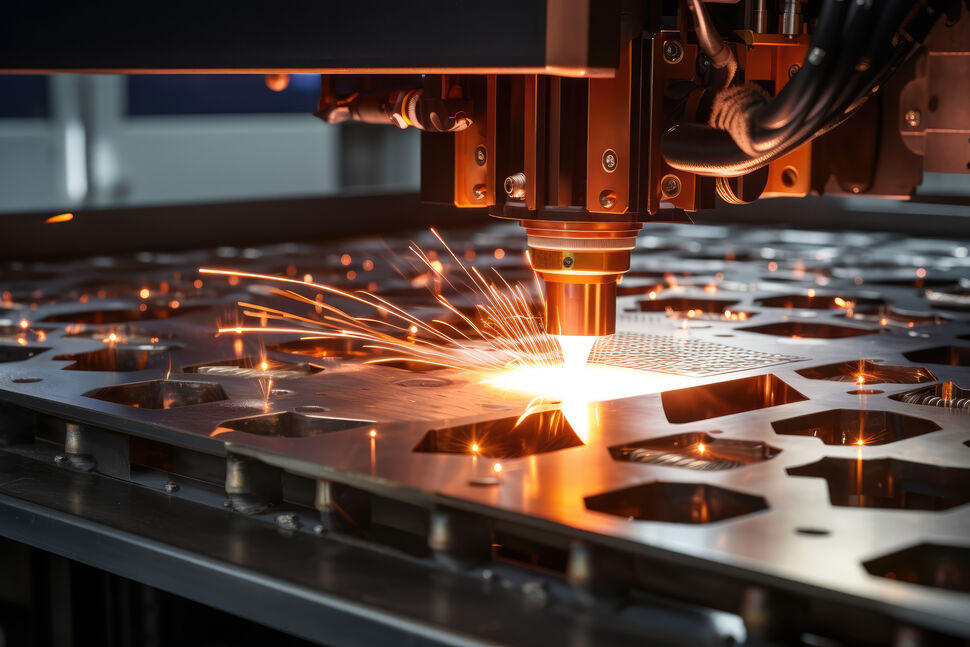
Laser cutting uses a focused laser beam to melt or vaporize material along a defined contour. The process allows high-speed cutting with narrow kerf width and minimal mechanical force on the workpiece.
Applications include:
- Trim cutting in automotive production
- Sheet metal contour cutting
- Battery component machining
- Precision industrial fabrication
Laser cutting systems require stable beam delivery, cooling lines and controlled signal transmission.
Critical Quality Factors in Robotic Laser Applications
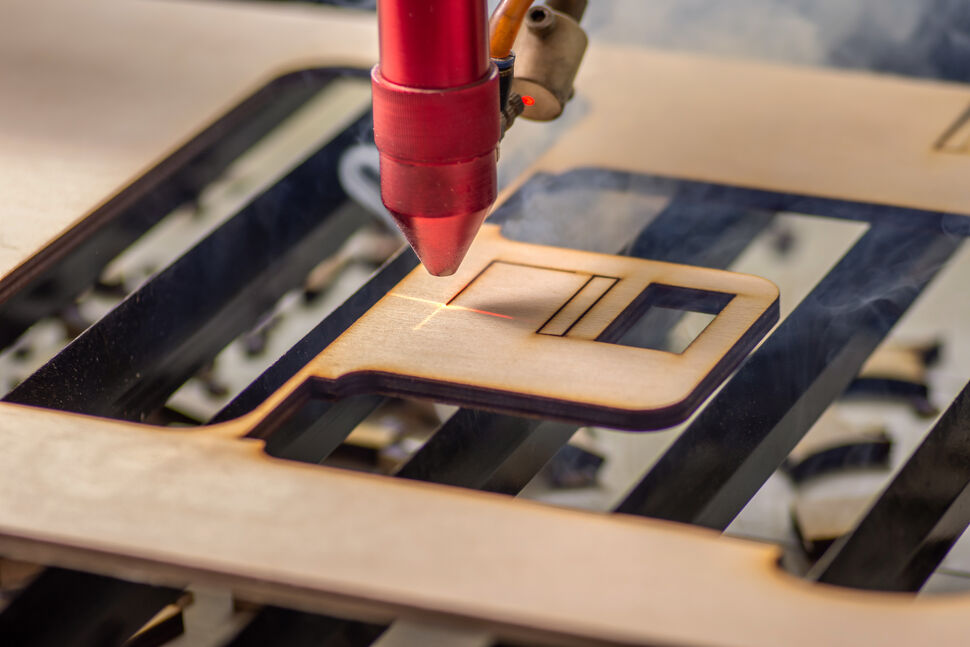
Laser processes are highly sensitive to mechanical and electrical instability.
TCP and Focal Position Accuracy
Precise tool center point calibration ensures correct focal distance and beam positioning. Deviations may result in incomplete penetration, excessive heat input or irregular seam formation.
Stable Fiber Optic and Signal Transmission
Laser systems rely on fiber optic cables and sensitive control signals. Excessive torsion, bending stress or mechanical interference can affect beam transmission or system reliability. Controlled routing protects fiber integrity.
Cooling and Shielding Gas Management
Laser heads require stable cooling circuits and often shielding gas supply. Poor hose routing may cause flow instability, thermal stress or premature wear.
Mechanical Stability Under Dynamic Motion
High-speed robotic movement introduces torsional forces on dresspacks. Uncontrolled routing can affect beam positioning and long-term cable lifetime.
Laser System Technology and Beam Delivery in Robotic Applications
In robotic laser processing, the laser source and beam delivery system are central to weld quality, seam precision and cutting performance. The interaction between laser power, focal positioning, beam guidance and material behavior determines process stability.
Understanding laser system architecture is essential for reliable automated production.
Fiber Lasers vs. Disk and CO₂ Lasers
Modern robotic laser systems primarily use fiber or disk lasers. These technologies provide high beam quality, stable output power and efficient energy conversion.
Fiber lasers are widely used due to their compact design, flexible beam delivery and suitability for robotic integration.
CO₂ lasers, while still used in certain cutting applications, require more complex beam guidance systems and are less common in highly dynamic robotic environments.
Each laser type influences integration requirements, cooling systems and cable management strategies.
Beam Delivery and Fiber Optic Systems
In robotic applications, the laser beam is typically transmitted through a fiber optic cable from the laser source to the processing head mounted on the robot.
Fiber optic cables are sensitive to excessive bending, torsion and mechanical shock. Maintaining defined bending radii and controlled routing is critical to protect beam quality and prevent transmission losses.
Mechanical stability directly supports long-term fiber integrity.
Focusing Optics and Beam Positioning
Laser processing heads contain focusing lenses that define spot size and energy density at the workpiece.
Precise focal positioning determines:
- Penetration depth in welding
- Seam geometry in brazing
- Kerf width in cutting
Small deviations in tool center point (TCP) or mechanical instability can influence focal distance and process quality.
Wire Feeding in Laser Brazing
Laser brazing systems use a filler wire that is continuously fed into the molten pool. Stable wire positioning and synchronized feed speed are essential for smooth seam appearance and consistent bonding.
Uncontrolled mechanical movement or unstable routing of wire feed lines can result in irregular seam geometry.
Assist Gas and Cooling Systems
Laser cutting and welding often require assist gases such as nitrogen, argon or oxygen to protect the melt pool or support material removal.
Laser heads also require stable cooling circuits to manage thermal load.
Controlled routing of gas hoses and cooling lines ensures consistent flow and reduces mechanical stress in dynamic robotic motion.
Industrial Applications of Robotic Laser Processing
Automotive Manufacturing
Laser welding and brazing are widely used in body-in-white production, structural assemblies and visible seams. Laser cutting supports trimming operations and lightweight component processing.
Battery and E-Mobility Production
Laser welding is critical in battery module and enclosure manufacturing where precision and minimal heat distortion are required.
Aerospace and High-Precision Manufacturing
Laser welding and cutting enable lightweight structural assemblies with tight tolerances.
Appliance and Sheet Metal Fabrication
Laser cutting and brazing support efficient, automated production of housings and structural components.
BizLink Solutions for Robotic Laser Applications
Reliable laser processing depends on stable mechanical and electrical infrastructure.
Engineered Dresspack and Fiber Routing Systems
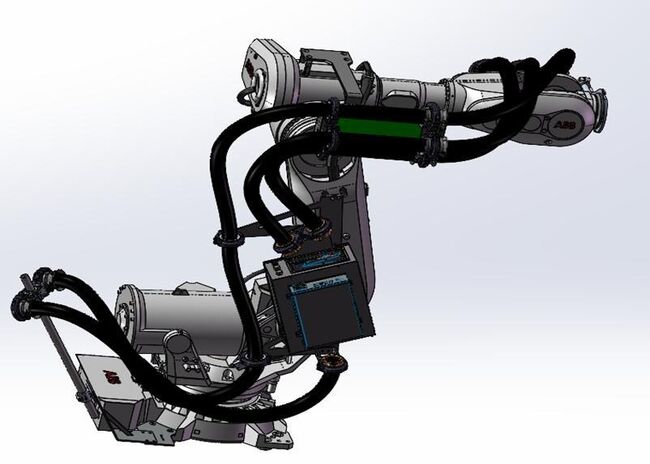
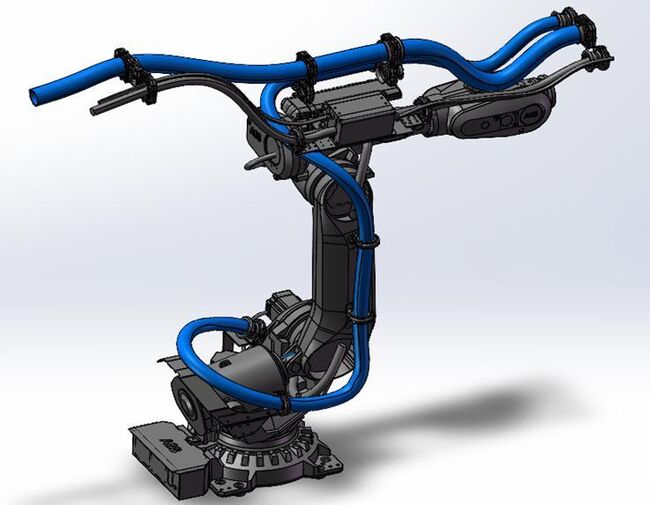
BizLink dress packs provide defined guidance, torsion resistance and self-restoring functionality for high-cycle robotic applications. Optimized cable management protects sensitive fiber optic cables, cooling lines, and control cables from torsion and mechanical stress.
High-Performance Robotic Cables
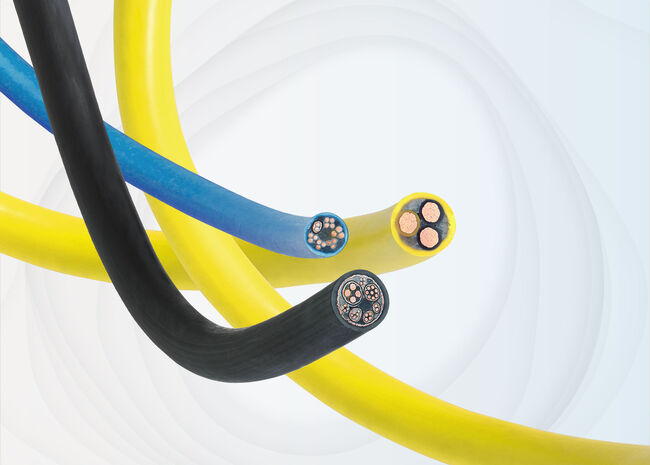
BizLink cables are engineered for continuous torsion, EMI resistance and dynamic robotic motion, supporting stable signal and power transmission in high-precision laser environments.
BizLink advintec TCP Tool Measurement
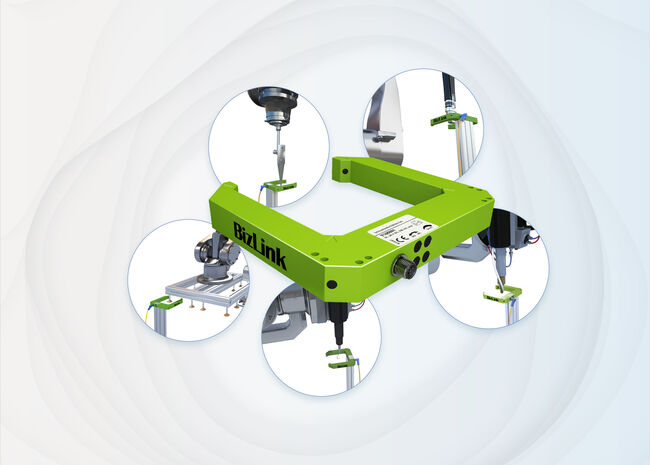
BizLink advintec TCP enables automated and highly precise verification of the robot’s tool center point (TCP) directly within the production environment. Accurate TCP alignment is essential in all robotic applications where positioning precision influences process quality.
The system is independent of the specific application and the robot manufacturer and primarily depends on the geometry of the robot tool. Rotation-symmetric robotic tools can be calibrated particularly easily. Even complex or indirectly measurable tools can be referenced using auxiliary pins or defined reference components.
By compensating measured deviations directly within the robot program, advintec TCP supports long-term positional stability, reduces cumulative inaccuracies and enhances overall process reliability across high-cycle production environments.
careDP – AI-Powered Condition Monitoring
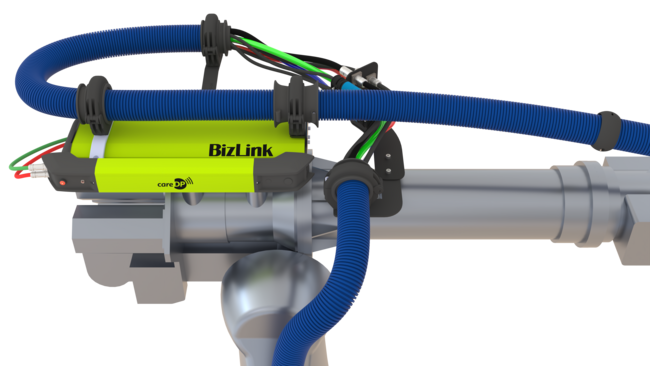
careDP analyzes robotic dresspack movement and detects early signs of abnormal stress patterns, enabling predictive maintenance and reducing downtime in high-value laser production environments.
Frequently Asked Questions (FAQ) About Robotic Laser Processing
What differentiates laser welding from conventional welding in automation?
Laser welding provides concentrated energy input, reduced distortion, high speed and narrow heat-affected zones. However, it requires significantly higher positional accuracy and stable system infrastructure.
How sensitive is laser welding to focal position and TCP accuracy?
Laser welding is highly sensitive to focal distance and beam alignment. Even small deviations in tool center point (TCP) or robot positioning can significantly affect penetration depth and seam geometry. Regular TCP verification ensures consistent focal positioning across long production runs.
Why is fiber optic cable routing critical in robotic laser systems?
Laser energy is transmitted through fiber optic cables that are sensitive to excessive bending, torsion and micro-damage. Violating minimum bending radii or allowing uncontrolled movement can reduce beam quality or cause premature fiber failure. Engineered routing systems protect fiber integrity in dynamic robotic applications.
How does shielding gas influence laser welding and brazing quality?
Shielding gas protects the molten pool (liquid metal at the weld zone) from oxidation and stabilizes the welding process. Inconsistent gas flow or hose instability can result in porosity, discoloration or seam irregularities. Reliable hose routing and stable media supply are critical for consistent results.
What role does cooling play in robotic laser processing?
Laser heads require stable cooling circuits to prevent thermal overload. Insufficient cooling or unstable coolant flow can affect beam stability and component lifetime. Controlled hose management reduces mechanical stress on cooling lines and improves long-term reliability.
What are typical causes of downtime in robotic laser systems?
Common downtime causes include fiber damage, cable fatigue, cooling line failure, focal misalignment and sensor instability. Predictive monitoring of dresspack movement and mechanical stress patterns can reduce unexpected interruptions.
What are the most common defects in robotic laser welding?
Typical defects include lack of penetration, porosity, undercutting, seam misalignment and excessive spatter. These issues are often caused by focal position deviations, unstable shielding gas flow, inconsistent material fit-up or robot positional inaccuracy. Stable TCP calibration and controlled cable routing are essential to maintain seam quality.
How can predictive maintenance improve uptime in laser production?
Monitoring dresspack movement and stress patterns allows early detection of wear or abnormal mechanical behavior, preventing unexpected cable or fiber failure in high-value production environments.
Design for Maximum Precision and Reliability in Robotic Laser Processing
Whether you are an OEM, system integrator, automation engineer or plant reliability manager, BizLink supports you in designing stable robotic laser systems that protect beam accuracy, reduce downtime risk and ensure long-term production performance.
Let’s evaluate your laser welding, brazing or cutting application and identify opportunities to improve precision, uptime and system durability.